The Integrity and Ethics Commissioner role
In June 2026 the Integrity and Ethics Commissioner Act 2025 established the Integrity and Ethics Commissioner (IEC) as an independent, broad based integrity officer for the Territory.
This brings together the functions of the ICAC, Ombudsman, Information Commissioner and the Health and Community Services Complaints Commissioner under one independent office.
The IEC holds office as each of the following officers:
- Ombudsman
- Information Commissioner
- Health and Community Services Complaints Commissioner
- Independent Commissioner Against Corruption.
The IEC has a number of functions, set out in each of the relevant Acts:
- Identifies and investigates improper conduct
- Provides guidance to public bodies on protecting people who detect or respond to improper conduct
- Prevents, detects and responds to improper conduct
- Oversees and directs how other organisations deal with improper conduct matters referred to them.
- Gives people a timely, effective, efficient, independent, impartial and fair way of
investigating, and dealing with complaints about, administrative actions of public authorities
and conduct of police officers - Improves the quality of decision-making and administrative practices in public authorities.
- Creates a general right of access to information held by public sector organisations limited
only in those circumstances where the disclosure of particular information would be
contrary to the public interest - Protects the privacy of personal information held by public sector organisations
- Promotes efficient and accountable government through appropriate records and archives
management by public sector organisations.
- Conducts inquiries into, and reports on matters relating to health, disability and aged care
services complaints, or on a reference from the Minister or the Legislative Assembly - Encourages and assists users and providers to resolve complaints directly with each other
- Conciliates and investigates complaints
Leadership team
The Commissioner and CEO work in partnership to achieve the agency’s objectives while maintaining clear separation between statutory independence and organisational management.
The Commissioner:
- Leads the agency’s statutory and integrity functions.
- Makes independent decisions under legislation.
- Sets strategic priorities and public-facing direction.
The CEO:
- Leads the organisation’s administration and operations.
- Delivers the capability, resources and systems needed to achieve strategic priorities.
- Ensures effective and efficient organisational performance.
Together, they provide leadership that supports public trust, organisational excellence and the effective delivery of the agency’s legislative responsibilities.

About the Commissioner
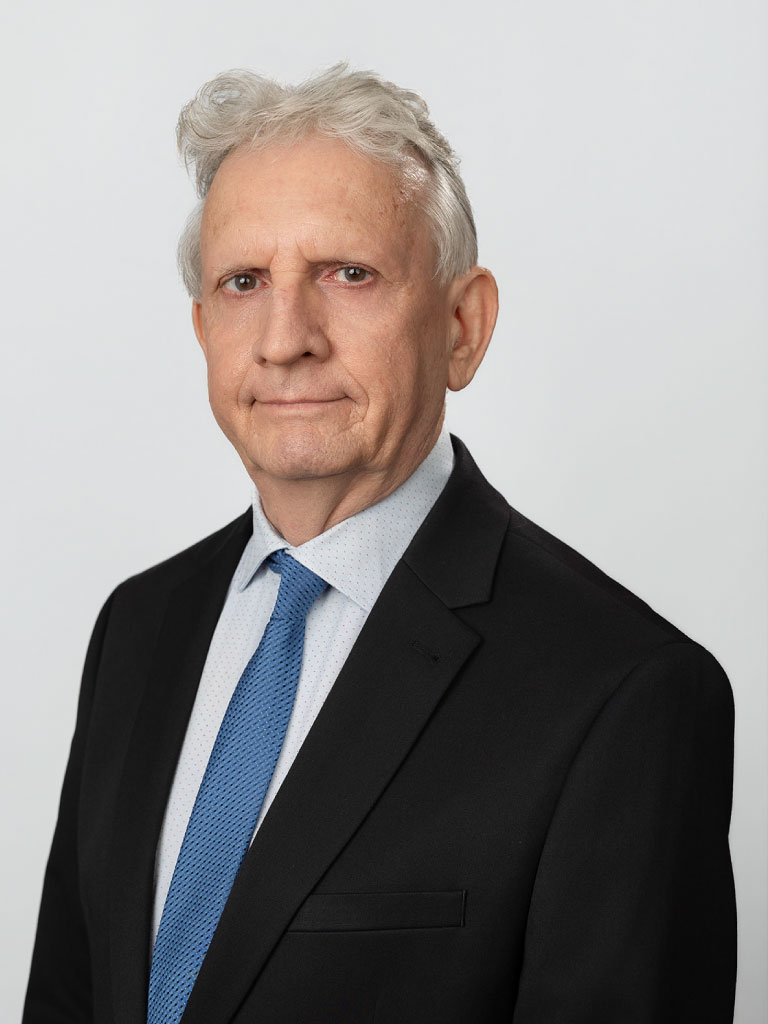
Peter Shoyer is the inaugural Integrity and Ethics Commissioner for the Northern Territory (NT), a role encompassing the functions of Independent Commissioner Against Corruption, Ombudsman, Health and Community Services Complaints Commissioner, and Information Commissioner.
Commissioner Shoyer has decades of experience working in, and leading, offices and agencies within government and independent of government, focussed on integrity and accountability, handling complaints and reviews of government action.
He has had extensive involvement in all aspects of corporate establishment, change and administration, as well as development of strategic directions, and legislative and policy reform.
Commissioner Shoyer was the NT Ombudsman from 2012 to 2024, in addition to being the NT Information Commissioner for a total of over 10 years.
During this time, he has served Territorians through investigating complaints about government agencies, including NT Police, reviewing administrative decisions of public bodies, conducting own-motion investigations into systemic issues in NT government, as well as overseeing privacy complaints and information management in government agencies.
During his time as Ombudsman Commissioner Shoyer undertook numerous major investigations, making many recommendations aimed at improving police integrity, public administration and complaint handling.
Commissioner Shoyer has over 20 years of executive level experience in government agencies. He has been NT Public Trustee, Registrar-General and Registrar of Births, Deaths and Marriages.
Commissioner Shoyer’s qualifications include:
- Bachelor of Laws, University of Queensland
- Master of Laws, University of Queensland
- Bachelor of Economics, University of Queensland
Commissioner Shoyer has been admitted as a solicitor for more than 35 years and has been involved as a member of, and served on the executive of, numerous national bodies including as chair of the Australian Institute of Administrative Law (NT Chapter) and on the Executive of the Australian and New Zealand Ombudsman Association.
The CEO of Integrity NT
In June 2026 the Integrity and Ethics Commissioner Act 2025 established an Office of the Integrity and Ethics Commissioner (OIEC) to support the IEC in delivering the functions set out for the Ombudsman, ICAC, Information Commissioner and the Health Complaints Commissioner.
The CEO’s key responsibilities are to:
- implement the strategic direction set by the Commissioner.
- ensure organisational priorities are translated into operational plans and outcomes.
- provide leadership to staff and promotes a high-performing workplace culture.
- oversee corporate services, including finance, human resources, information technology, procurement, records management and facilities.
- ensure the agency operates efficiently, effectively and in accordance with legislative and policy requirements.
- manage organisational risk and business continuity arrangements.
- support the development and implementation of governance frameworks and policies.
- build organisational capability through workforce planning, recruitment, learning and development.
- promote staff wellbeing, safety and inclusion.
- ensure staff have the tools, systems and support necessary to perform their roles effectively.
- foster a culture of collaboration, accountability and continuous improvement.
- oversee the agency’s budget, financial planning and resource allocation.
- ensure public resources are managed responsibly and transparently.
- monitor organisational performance and drives continuous improvement.
- ensure corporate and operational services support the effective delivery of statutory functions.
- provide strategic advice to the Commissioner on organisational capability, risks and emerging issues.
About the CEO
Reece Kershaw APM is the Chief Executive Officer of the Office of the Integrity and Ethics Commissioner.
Mr Kershaw was the Australian Federal Police Commissioner from 2019 to 2025. During this time, he led Australia’s national law enforcement agency, with over 8,000 staff. Almost half of those were corporate, analysist and specialist staff to support the police and protective services officers.
Mr Kershaw focused on building the capability of the AFP through ensuring the right people were in the right positions. He was instrumental in establishing the AFP-led Joint Police Cybercrime Coordination Centre, for a coordinated national approach to cybercrime which involved not only Australian, but international law enforcement and importantly, industry representatives.
Mr Kershaw has over 35 years’ experience in leading law enforcement and emergency services agencies, including international deployments to East Timor, the Solomon Islands and the Netherlands.
His areas of expertise are strategic planning, governance, integrity, anti-corruption measures, national security strategy, cybercrime and digital threat response, criminal asset confiscation and financial crime, large-scale organisational transformation and regional security.
In recognition of his extensive career, Mr Kershaw has been awarded:
- French National Order of Merit (Officer Class)
- Insignia of the Order of Timor-Leste
- NT Police Force - Outstanding Leadership Medal
- Australian Police Medal
- French Internal Security Medal
Mr Kershaw’s qualifications include:
- Masters in Business Administration, Charles Sturt University
- Graduate Certificate in Business, Monash University
- Certificate in Business, Berne University Switzerland
- Graduate Australian Institute of Company Directors
Mr Kershaw will initially focus on establishing Integrity NT through targeted recruitment and capability building, ensuring staff have the skills and knowledge to support high-quality resolutions processes, investigations and wholistic prevention strategies.